
Enhancing Monitoring and Data Collection
Technology has revolutionized the way we monitor and collect data about the environment. Advanced sensors, satellite imagery, and drones enable scientists and researchers to gather accurate and real-time information about various aspects of the environment, such as air quality, water pollution, deforestation, and wildlife populations. This data is essential for understanding the impact of human activities and developing effective conservation strategies.
Harnessing Big Data Analytics
With the abundance of data available, technology helps analyze and interpret this information through big data analytics. By utilizing powerful algorithms and machine learning, scientists can identify patterns, trends, and correlations that were previously difficult to uncover. These insights guide conservation efforts by identifying vulnerable areas, predicting environmental risks, and optimizing resource allocation.
Advancing Renewable Energy Solutions
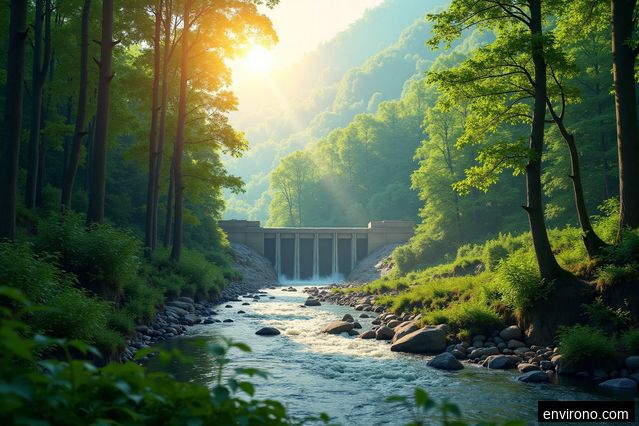
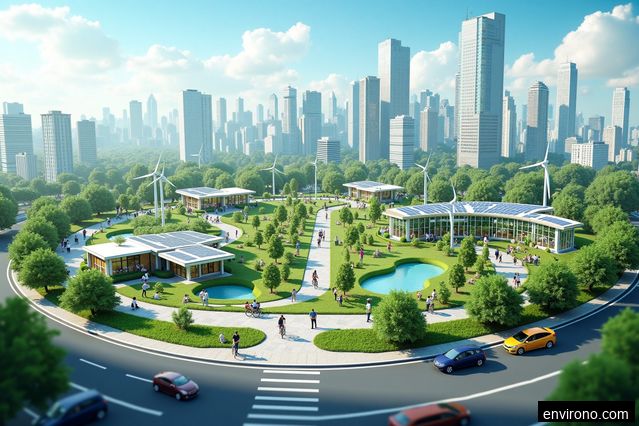
Technology has been instrumental in driving the development and adoption of renewable energy sources. Solar panels, wind turbines, and hydroelectric power systems are becoming more efficient and affordable, reducing our dependence on fossil fuels and mitigating greenhouse gas emissions. Additionally, smart grids and energy storage solutions enable better management and integration of renewable energy into existing infrastructure.
Promoting Energy Efficiency
Energy-efficient technologies, such as LED lighting systems, smart thermostats, and energy management systems, help reduce energy consumption and carbon footprint. These innovations allow individuals and businesses to monitor and optimize their energy usage, resulting in significant cost savings and environmental benefits. Technology also facilitates the development of sustainable transportation systems, including electric vehicles and efficient public transportation networks.
Improving Waste Management Practices
Technology plays a vital role in managing waste more effectively and reducing pollution. Innovations in recycling processes, waste-to-energy systems, and smart waste management solutions enable the efficient utilization and disposal of waste materials. Advanced waste sorting technologies and composting systems help divert waste from landfills, minimizing environmental impact and promoting a circular economy.
Enabling Environmental Education and Awareness
Technology has the power to educate and raise awareness about environmental issues. Online platforms, mobile applications, and virtual reality experiences provide interactive and engaging ways to learn about conservation practices, biodiversity, and climate change. Social media platforms also enable individuals and organizations to share their initiatives, inspiring others to take action and contribute to environmental conservation efforts.