

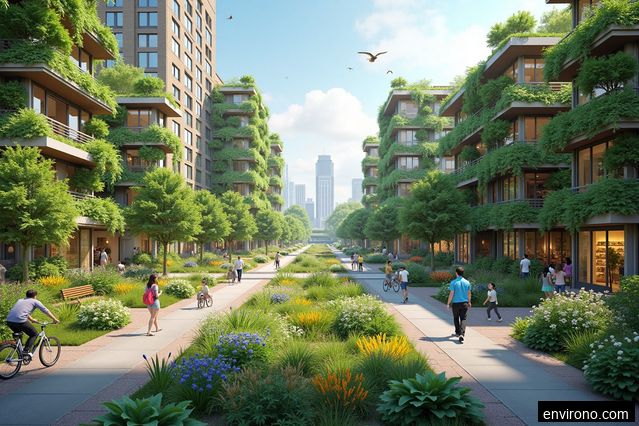
The Importance of Biodiversity Conservation
Biodiversity is vital for the health and sustainability of our planet. It encompasses the variety of species, ecosystems, and genetic diversity that exist on Earth. However, rapid urbanization and habitat destruction have resulted in the loss of biodiversity in many areas. As urban areas continue to expand, it is crucial to integrate biodiversity conservation into urban planning processes to mitigate the negative impact on ecosystems and promote a more sustainable future.
Preserving Green Spaces
One of the key ways urban planning can promote biodiversity conservation is by preserving green spaces within cities. Parks, gardens, and other natural areas provide important habitats for plants and animals. By designating and protecting these areas, urban planners can ensure that biodiversity hotspots are preserved. Additionally, incorporating green spaces into urban designs can enhance the overall quality of life for residents, as these areas provide opportunities for recreation, relaxation, and improved mental health.
Creating Wildlife Corridors
Another essential aspect of biodiversity conservation in urban planning is the creation of wildlife corridors. These corridors are pathways that connect fragmented habitats, allowing wildlife to move freely between different areas. By incorporating green corridors into urban designs, planners can facilitate the movement of species, prevent isolation, and reduce the negative impact of urbanization on biodiversity. These corridors can be created by preserving and restoring natural areas and incorporating green infrastructure, such as tree-lined streets and green roofs.
Promoting Sustainable Infrastructure
Urban planning plays a crucial role in promoting sustainable infrastructure that supports biodiversity conservation. By incorporating green infrastructure, such as permeable pavements, rain gardens, and green roofs, cities can manage stormwater runoff more effectively. These green infrastructure elements provide multiple benefits, including reducing flooding, improving water quality, and creating new habitats for plants and animals. Additionally, sustainable transportation options, such as bike lanes and pedestrian-friendly designs, can encourage a shift towards more eco-friendly modes of transport, reducing carbon emissions and minimizing habitat fragmentation.
Engaging Communities
Engaging communities in biodiversity conservation efforts is essential for the success of urban planning initiatives. By involving local residents in the decision-making process, planners can gain valuable insights and ensure that the needs and priorities of the community are considered. Community engagement can also help raise awareness about the importance of biodiversity conservation and inspire individuals to take action in their own neighborhoods. Encouraging community-led initiatives, such as community gardens or wildlife-friendly neighborhood projects, can further enhance biodiversity within urban areas.
Education and Awareness
Lastly, urban planning can promote biodiversity conservation through education and awareness initiatives. By integrating environmental education programs into schools and community centers, future generations can learn about the importance of biodiversity and the role they can play in its conservation. Additionally, public awareness campaigns can inform residents about the benefits of biodiversity and provide practical tips on how to create wildlife-friendly habitats in their own yards or balconies. By fostering a sense of environmental stewardship, urban planning can contribute to a more sustainable and biodiverse future.