
1. Public Transportation
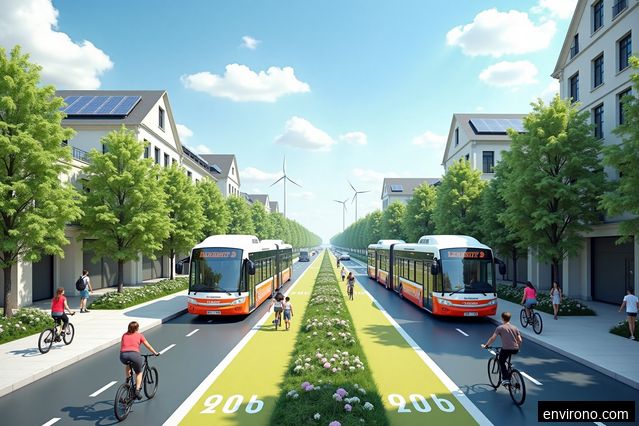
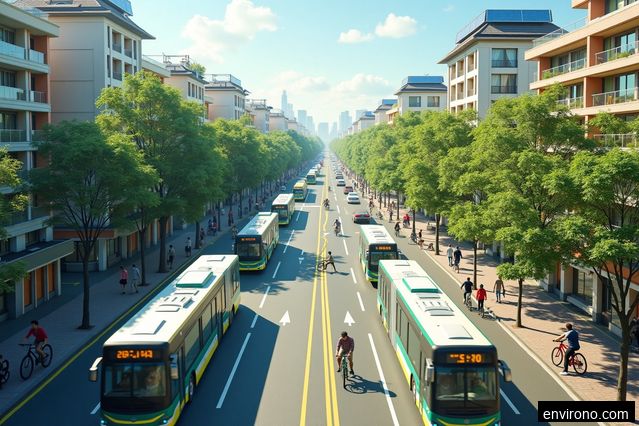
One of the most effective ways to reduce carbon emissions and air pollution is by utilizing public transportation. Buses, trains, and trams are all excellent alternatives to individual car travel. By encouraging more people to use public transportation, we can significantly reduce the number of vehicles on the road and decrease traffic congestion. Additionally, modern public transportation systems are increasingly being powered by clean energy sources, making them even more eco-friendly.
Advantages of Public Transportation:
- Decreases air pollution and greenhouse gas emissions
- Reduces traffic congestion
- Lowers fuel consumption and saves money
- Promotes a sense of community and social interaction
- Provides accessibility for individuals who don't own a vehicle
2. Cycling and Walking
Choosing to cycle or walk instead of driving not only benefits the environment but also improves personal health and well-being. Cycling and walking are zero-emission modes of transportation that do not contribute to air pollution or noise pollution. They also promote physical activity and can help reduce the risk of chronic diseases. Governments and city planners are increasingly creating dedicated cycling and walking paths, making it safer and more convenient for individuals to choose these sustainable transportation options.
Advantages of Cycling and Walking:
- Zero carbon emissions and reduced pollution
- Supports healthy and active lifestyles
- Reduces traffic congestion and parking demand
- Saves money on fuel and parking fees
- Enhances urban livability and promotes a sense of community
3. Electric Vehicles
Electric vehicles (EVs) are gaining popularity as a sustainable alternative to traditional gasoline-powered cars. EVs produce zero tailpipe emissions, reducing air pollution and greenhouse gas emissions. With advancements in technology, the range and charging infrastructure for EVs have significantly improved, making them a viable option for everyday transportation. Governments and organizations are also incentivizing the adoption of EVs through subsidies and tax credits, further encouraging their use.
Advantages of Electric Vehicles:
- Zero tailpipe emissions and reduced pollution
- Lower operating and maintenance costs
- Decreased dependence on fossil fuels
- Potential for integration with renewable energy sources
- Enhanced driving experience with advanced features
4. Carpooling and Ridesharing
Carpooling and ridesharing are sustainable transportation options that allow multiple individuals to share a single vehicle for their daily commute or travel. By sharing rides, we can reduce the number of cars on the road and decrease traffic congestion. This not only saves time and money but also reduces carbon emissions and fuel consumption. Many online platforms and mobile apps have made it easier than ever to connect individuals who are looking to share rides, making carpooling and ridesharing convenient and accessible.
Advantages of Carpooling and Ridesharing:
- Reduces traffic congestion and parking demand
- Saves money on fuel and vehicle maintenance
- Lowers carbon emissions and air pollution
- Provides opportunities for social interaction and networking
- Enhances community bonding and reduces isolation