
Designing for Energy Efficiency
In the realm of construction and infrastructure development, there is a growing emphasis on incorporating green building practices. One of the primary goals of these practices is to create energy-efficient buildings and infrastructure. This is achieved through careful design considerations, such as optimizing natural lighting, implementing effective insulation, and utilizing energy-efficient appliances and systems. By designing for energy efficiency, we can significantly reduce energy consumption and minimize the environmental impact of our infrastructure.
Optimizing Natural Lighting
Maximizing the use of natural light is an essential aspect of green building practices. By designing buildings with large windows and skylights, we can reduce the need for artificial lighting during daylight hours. Additionally, incorporating light-colored or reflective surfaces can help distribute natural light more effectively throughout the space. This not only saves energy but also creates a more pleasant and productive environment for occupants.
Efficient Heating, Ventilation, and Air Conditioning (HVAC) Systems
Heating, ventilation, and air conditioning (HVAC) systems are crucial elements of any building, and they can consume a significant amount of energy. Green building practices aim to optimize HVAC systems to reduce energy consumption while maintaining a comfortable indoor environment. This can be achieved by using energy-efficient equipment, such as high-efficiency heat pumps and advanced control systems that adjust heating and cooling based on occupancy and outdoor conditions. Additionally, proper insulation and sealing of the building envelope help prevent energy loss, reducing the workload on HVAC systems.
Renewable Energy Integration
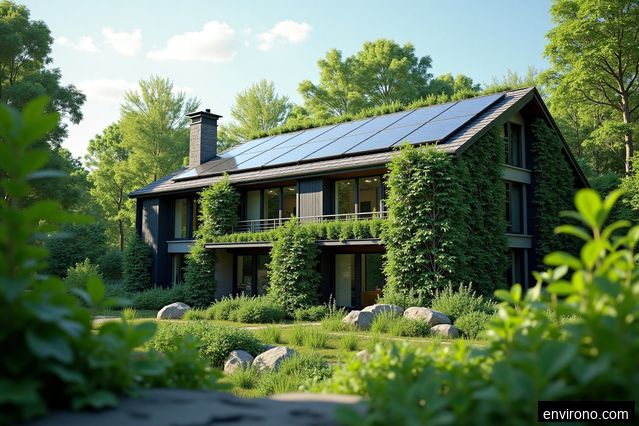
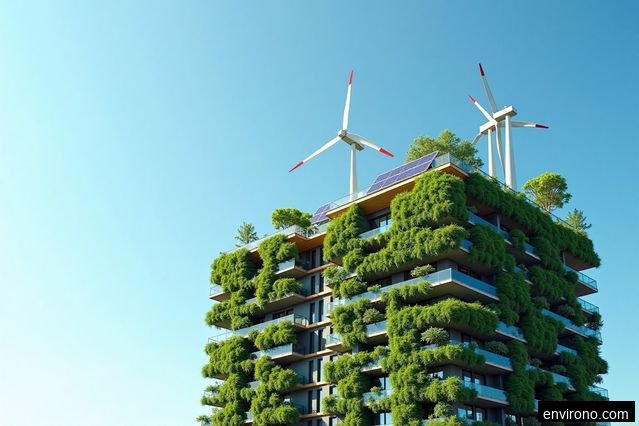
Integrating renewable energy sources into the infrastructure is a key aspect of green building practices. Solar panels, wind turbines, and geothermal systems can provide clean and renewable energy to power the building's electrical systems. By utilizing renewable energy, buildings can reduce their dependence on fossil fuels and contribute to a more sustainable future. Furthermore, energy storage systems, such as batteries, can store excess energy generated during peak production hours for use during periods of low renewable energy generation.
Water Conservation and Management
Green building practices also focus on water conservation and management. Implementing efficient plumbing fixtures, such as low-flow toilets and faucets, helps reduce water consumption. Additionally, rainwater harvesting systems can collect and store rainwater for non-potable uses like irrigation, reducing the demand for freshwater resources. Moreover, incorporating landscaping designs that utilize native plants and drought-resistant species can further minimize water consumption while enhancing the aesthetics of the infrastructure.
Stormwater Management
Proper management of stormwater is crucial for minimizing the environmental impact of infrastructure. Green building practices promote the use of permeable pavements and green roofs that allow rainwater to infiltrate into the ground, reducing runoff and preventing soil erosion. Additionally, the implementation of rain gardens and bioswales helps filter and treat stormwater naturally, removing pollutants before they reach water bodies. These practices not only contribute to water conservation but also help protect the quality of our water resources.